

- Home/
- Buy Propecia Without Prescription in the United Kingdom Online
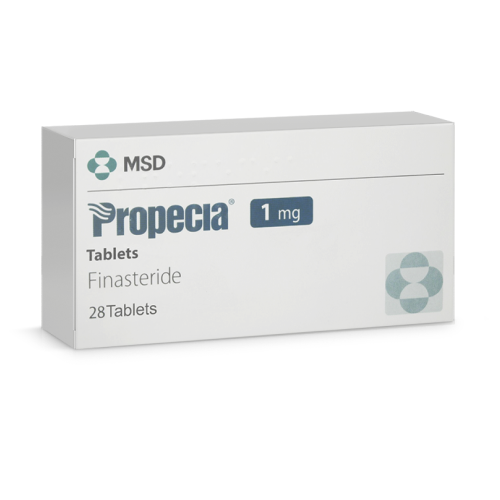
Can I Buy Propecia Without a Prescription in United Kingdom?
No, purchasing Propecia without a prescription in United Kingdom is illegal. Propecia (finasteride) is a prescription-only medication regulated by the Medicines and Healthcare products Regulatory Agency (MHRA). It can only be dispensed by a registered pharmacist upon presentation of a valid prescription from a healthcare professional in the UK. Any website or seller offering Propecia without a prescription is operating unlawfully and may supply counterfeit or unsafe products.
Key Takeaways: Propecia in United Kingdom
| Parameter | Detail |
|---|---|
| Active Ingredient | Finasteride 1mg |
| Used For | Male pattern hair loss (androgenetic alopecia) |
| Prescription Requirement (UK) | Mandatory – Cannot legally obtain Propecia without prescription |
| Typical Onset of Noticeable Effect | 3–6 months |
| Main Contraindication | Use in women, children, known hypersensitivity |
| Price in UK Pharmacy | £20–£40 for 28 tablets (as of 2026, varies by pharmacy and generic/brand) |
Table of Contents
- Can I Buy Propecia Without a Prescription in United Kingdom?
- Key Takeaways: Propecia in United Kingdom
- How Does Propecia Work? The Mechanism of Action Explained
- Expert Commentary from doctor
- How Should I Take Propecia? Dosing, Duration, and Instructions
- Can I Take Propecia with Food, Alcohol, or Other Medications?
- Who Should Not Take Propecia? Absolute and Relative Contraindications
- What Side Effects Are Most Common with Propecia?
- Common Patient Mistakes Observed by doctor
- How Does Propecia Compare to Alternatives? Realistic UK Price Comparison
- Questions Frequently Asked to doctor
- How Is Propecia Metabolised and Eliminated from My Body?
- Compatibility Check: Propecia and Common Medicines/Lifestyle Factors
- How to Spot Counterfeit Propecia and Buy Safely in the UK
- Step-by-Step: How to Obtain Propecia Legally in United Kingdom (2026)
- What Should I Do in Case of Overdose with Propecia?
- Living with Hair Loss: Psychological Support and Guidance
- Professional Opinion of doctor
- Frequently Asked Questions (FAQ)
- References
How Does Propecia Work? The Mechanism of Action Explained
Propecia’s active ingredient, finasteride, is a type II 5-alpha-reductase inhibitor. This means it specifically blocks the action of the enzyme 5-alpha-reductase type II in hair follicles and the prostate. Normally, this enzyme converts testosterone into dihydrotestosterone (DHT), a more potent androgen hormone. DHT is the main driver of hair follicle miniaturisation in genetically predisposed men, leading to male pattern baldness.
By reducing DHT levels in scalp tissue by up to 60–70%, Propecia slows hair loss and, in many cases, promotes regrowth of thicker hair. It does not affect testosterone production itself, nor does it increase oestrogen levels. The effect is dependent on continuous daily use: stopping Propecia causes DHT levels to rebound, often resulting in resumed hair loss within months.
Metaphor: Think of DHT as weeds crowding a garden. Propecia doesn’t change the soil (testosterone), but it selectively removes the weeds (DHT), allowing healthy grass (hair) to grow.
In short: Propecia works only if hair follicles are still alive; it cannot revive dead follicles or reverse baldness where the scalp is already shiny and smooth.
References: See clinical evidence from the PubMed, the NHS, and the European Medicines Agency.
Expert Commentary from doctor
In clinical practice, I often see patients expecting immediate results from Propecia, but that’s rarely the case. Most do not realise that progress is gradual—visible improvement might not appear for 3–6 months, and shedding can even increase initially as weaker hairs fall out to make way for stronger regrowth. Adherence is essential. Skipping doses or stopping entirely, even for a few weeks, can compromise results. I advise patients to set reminders or pair their medication with a daily routine. Another concern is self-medicating with higher doses, hoping for faster hair growth, which only raises side effect risk without added benefit. Propecia is not a cure—it’s a management tool. Discussing expectations and combining therapy with good scalp health habits improves satisfaction and keeps patients on track.
How Should I Take Propecia? Dosing, Duration, and Instructions
Standard Dose: The usual dose of Propecia for male pattern hair loss is 1mg finasteride once daily. It should be taken at the same time each day, with or without food.
- Swallow the tablet whole with water. Do not split or crush the tablet, as finasteride can be absorbed through the skin and may be harmful to women or children.
- Duration of therapy: Most users see the first signs of reduced hair loss after 3–6 months. Maximum benefit is generally observed after 12 months of continuous use.
- Missed doses: Take the next dose as usual; do not double up to compensate.
- Maximum daily dose: Do not exceed 1mg per day for hair loss. Higher doses are reserved for other conditions (e.g., BPH), not hair loss.
Adjustment for elderly: No dose adjustment is required in healthy older adults, but always consult your doctor if you have chronic liver problems.
Important: If you stop taking Propecia, any regrown hair is typically lost within 9–12 months.
Can I Take Propecia with Food, Alcohol, or Other Medications?
| Factor/Product | Can it be combined? | Consequences |
|---|---|---|
| Food (any type) | Yes | No significant effect on absorption |
| Alcohol (moderate) | Yes, in moderation | No direct interaction, but excess alcohol can worsen hair loss |
| Grapefruit Juice | Yes | No known interaction |
| Common painkillers (paracetamol, ibuprofen) | Yes | No reported interaction |
| Other hair loss treatments (minoxidil topical) | Yes | Can be combined under medical supervision |
Bottom line: Propecia can be taken with or without food, and moderate alcohol does not interact. However, avoid mixing Propecia with unapproved herbal remedies, as these can alter hormone metabolism.
Myth vs Reality: Myth: “Taking more Propecia speeds up results.” Reality: No evidence supports this; it only increases the risk of side effects.
Who Should Not Take Propecia? Absolute and Relative Contraindications
Absolute Contraindications
- Women and children: Propecia is not approved for use in these groups; can cause birth defects if handled by pregnant women.
- Known hypersensitivity: Allergy to finasteride or any ingredient in the tablet.
Relative Contraindications
- Significant liver disease: Finasteride is metabolised in the liver; caution is advised.
- History of prostate cancer: May alter PSA test results, masking early detection.
- Concurrent use with certain antiandrogens: Consult your doctor for a full review.
Why? Women should avoid even handling crushed or broken tablets during pregnancy, as systemic absorption may pose a risk to the developing male fetus.
What Side Effects Are Most Common with Propecia?
Very Common (>1/10)
- None identified in large clinical trials
Common (1/100 to 1/10)
- Reduced libido (sexual desire)
- Erectile dysfunction
- Reduced ejaculate volume
Uncommon (1/1,000 to 1/100)
- Breast tenderness or enlargement (gynaecomastia)
- Testicular pain
- Depressive symptoms or mood changes
Rare (1/10,000 to 1/1,000)
- Allergic reactions: rash, swelling, difficulty breathing
- Persistent sexual dysfunction after discontinuation (so-called “post-finasteride syndrome” – mechanism not fully understood, and data are still being collected)
What to do: If you experience breast lumps, pain, nipple discharge, mood changes, or any serious symptoms, stop Propecia and seek medical attention. Most mild side effects resolve after discontinuation, but always inform your prescriber.
Clinical tip: The most frequent side effects (sexual function) are reversible in the majority of cases when the medication is stopped.
Common Patient Mistakes Observed by doctor
-
Stopping Propecia too soon: Many patients expect rapid results and stop after 2–3 months, not realising it may take at least 6 months to notice visible effects.
How to avoid: Stick with the prescribed course and be patient; document progress with photos. -
Doubling the dose for faster results: Taking 2mg daily does not accelerate hair growth and only increases the risk of side effects.
How to avoid: Follow prescribed dose (1mg daily). -
Buying Propecia without prescription or from unverified websites: Counterfeit or substandard tablets are common on black market sources.
How to avoid: Only purchase through a registered UK pharmacy with a valid prescription or via a licensed online provider. -
Mixing with unproven supplements: Some patients combine finasteride with herbal or hormonal products, increasing the risk of interactions.
How to avoid: Always consult a doctor before adding new products. -
Not disclosing all medications: Failure to mention all regular medicines (especially for prostate or hormones) can cause dangerous interactions.
How to avoid: Be open with your prescriber about all medicines and supplements.
How Does Propecia Compare to Alternatives? Realistic UK Price Comparison
| Medication | Main Use | Onset of Effect | Common Side Effects | Duration of Action | Average Price (UK) |
|---|---|---|---|---|---|
| Propecia (Finasteride 1mg) | Male pattern hair loss | 3–6 months | Sexual dysfunction, decreased libido | Effect lasts with continuous use | £20–£40/month |
| Generic Finasteride (1mg) | Same as Propecia | 3–6 months | Similar | As above | £5–£15/month |
| Topical Minoxidil (5%) | Male & female pattern hair loss | 2–4 months | Scalp irritation, unwanted facial hair | With continuous use | £15–£30/month |
Commentary: Propecia and generic finasteride provide the same clinical benefit. Generic versions are more affordable without loss of efficacy or quality. Minoxidil is available without prescription in the UK and can be used in combination with finasteride for enhanced effect. Always discuss with your doctor before combining treatments.
Propecia cheap / affordable generics are available, but only through registered pharmacies with a valid prescription.
Questions Frequently Asked to doctor
- Is it safe to take Propecia long-term?
- Yes, most men tolerate Propecia well over many years, but regular check-ups are recommended to monitor for rare side effects, particularly related to sexual function and mood.
- What happens if I miss a dose?
- Take your next dose at the usual time. Do not double the dose to make up. Occasional missed doses do not affect long-term results.
- Can I take Propecia if I plan to have children?
- Finasteride does not significantly affect fertility in most men, but animal studies suggest possible impact on sperm quality. Discuss with your doctor if you are actively trying for a baby.
- Can I drink alcohol while taking Propecia?
- Moderate alcohol is not contraindicated, but excessive drinking may worsen hair loss and overall health.
- How do I know if Propecia is working?
- Reduced hair shedding and visible thickening are the key signs, usually after 3–6 months. Documenting your scalp with regular photographs can help track progress.
- Is it safe for women to use Propecia for hair loss?
- No, Propecia is not licensed for use in women in the UK and can cause birth defects if taken during pregnancy.
- Can Propecia affect my PSA (prostate blood test) results?
- Yes, Propecia lowers PSA levels. Inform your doctor so results can be interpreted correctly.
How Is Propecia Metabolised and Eliminated from My Body?
Absorption: Propecia is well-absorbed after oral administration, with peak blood levels reached about 2 hours post-dose.
Metabolism: Processed in the liver by cytochrome P450 enzymes (CYP3A4 system). This matters if you have chronic liver disease or take other medicines that strongly affect liver enzymes.
Elimination: About 39% is excreted in urine and 57% in faeces, mostly as inactive metabolites.
Half-life (T1/2): Approximately 6–8 hours in adults; up to 8 hours in elderly.
Clinical note: No adjustment is needed for mild to moderate kidney problems, but consult your doctor if you have known liver impairment.
Compatibility Check: Propecia and Common Medicines/Lifestyle Factors
| Product/Medicine | Can it be Combined? | Notes/Consequences |
|---|---|---|
| Aspirin/Paracetamol | Yes | No clinically significant interaction. |
| Minoxidil topical | Yes | Often combined for enhanced effect. |
| Finasteride 5mg tabs | No | Higher dose used for prostate; not for hair loss. |
| Pregnancy (partner handling) | No | Can be harmful if handled by pregnant women. |
How to Spot Counterfeit Propecia and Buy Safely in the UK
Counterfeit Propecia is a real risk—especially when attempting to buy Propecia online without prescription or from unregulated sites. To ensure you receive genuine medication:
- Packaging: Genuine Propecia comes in manufacturer-sealed blisters, clearly marked “Propecia” and “finasteride 1mg,” with batch number and expiry date.
- Tablet appearance: Tablets are film-coated, often with “MSD” embossed on one side; check the patient leaflet for a visual reference.
- Official marks: UK-licensed packs have a product license number (PL), often a QR code or hologram. Check for tamper-evident seals. If the price seems too low, it’s a red flag.
- Pharmacy verification: All online pharmacies in the UK must display the MHRA distance selling logo (green cross). Clicking it should link to the MHRA’s official register.
- Generics: Generic finasteride is bioequivalent to Propecia and must meet the same quality standards. The main difference is price and branding; excipients (inactive ingredients) may differ and can rarely cause allergies.
Never buy Propecia without prescription from overseas sites or social media groups—these are most likely illegal and potentially dangerous.
Step-by-Step: How to Obtain Propecia Legally in United Kingdom (2026)
- Consult a GP or hair loss specialist: In-person or via reputable telemedicine provider in the UK. Examples: London, Manchester, Birmingham, online NHS-approved platforms.
- Assessment: The doctor will confirm male pattern hair loss (androgenetic alopecia) and rule out medical causes.
- Prescription issued: If suitable, a prescription for Propecia (or generic finasteride) will be provided.
- Order Propecia: Take your prescription to a local pharmacy, or use the online service to have it dispensed and delivered to your home.
- Collect or receive medicine: You receive genuine Propecia in pharmacy packaging, with patient leaflet and safety seals.
- Follow-up: Your doctor will arrange periodic review to check treatment effectiveness and monitor for side effects.
Can I purchase Propecia online? Yes, as long as the provider is a registered UK pharmacy and requires a valid prescription. Never attempt to buy Propecia online from sites that do not require a prescription.
What Should I Do in Case of Overdose with Propecia?
- Stop taking Propecia immediately.
- Call NHS 111 or seek emergency medical advice. Be ready to provide information on the dose taken and the time of ingestion.
- Do not attempt to induce vomiting unless instructed by a health professional.
- Take the medication packaging with you to the hospital or show it during the telephone consultation.
- If severe symptoms such as difficulty breathing, swelling, or loss of consciousness occur, call 999 immediately.
Note: There is no specific antidote for finasteride overdose. Treatment is supportive and symptomatic.
Living with Hair Loss: Psychological Support and Guidance
Hair loss is incredibly common and can affect self-esteem and mental health. Remember, you’re not alone—millions of men in the UK experience this. Many find that combining medical treatment like Propecia with supportive conversations (with your GP, partner, or a mental health professional) eases anxiety and helps set realistic expectations for improvement.
If you ever feel that hair loss is affecting your wellbeing, do not hesitate to seek professional support. Hair loss is often manageable, and there are always options—medical, cosmetic, and psychological.
Professional Opinion of doctor
In my practice, Propecia (finasteride 1mg) remains the first-line therapy for male pattern hair loss in otherwise healthy adult men seeking a medically validated solution. The majority who persist with treatment see stabilisation of hair loss, and about half achieve visible regrowth. The main risks—sexual side effects and, more rarely, mood effects—are usually reversible, but patients must be aware of them from the outset. In men with chronic liver disease, or those with significant psychiatric history, alternatives or non-pharmacological approaches may be preferable. For those seeking convenience and affordability, generic finasteride offers an equivalent outcome at a lower price. In cases where scalp hair loss is longstanding and follicles are no longer viable, surgical or cosmetic options may be more realistic. As always, I urge patients to avoid buying Propecia online without prescription, prioritise safety, and seek specialist advice tailored to their circumstances.
Frequently Asked Questions (FAQ)
- Can I buy Propecia without prescription in United Kingdom?
- No, it is illegal and unsafe to buy Propecia without prescription in the UK. Always consult a healthcare provider first.
- How much does Propecia cost in UK pharmacies?
- Prices vary, but branded Propecia typically costs £20–£40 for a month supply; generic finasteride is cheaper at about £5–£15.
- Can I order Propecia online safely in the UK?
- Yes, if the online pharmacy is MHRA-registered and requires a prescription. Never use sites that offer Propecia without prescription.
- Is Propecia a cure for baldness?
- No, Propecia can slow or partially reverse hair loss, but its effects are only maintained with continuous use.
- How long before I see results with Propecia?
- Most users notice reduced hair loss in 3–6 months and maximum regrowth at 12 months, if treatment is continued daily.
- Are there affordable or cheap alternatives to Propecia?
- Yes, generic finasteride offers the same benefit at a lower price and is available in UK pharmacies with a prescription.
- What if Propecia does not work for me?
- Discuss alternative treatments with your physician, such as topical minoxidil or surgical options.
- Is Propecia available in pharmacy without prescription?
- No, only with a valid prescription from your doctor or a UK-registered online provider.
- Does Propecia interact with other medications?
- Propecia has a low risk of drug interactions, but always inform your doctor of all medicines you take.
- Who is the best doctor or specialist for hair loss in the UK?
- Consult a dermatologist or hair loss specialist; NHS and private clinics in major cities (e.g., London, Manchester) have qualified practitioners.
References
- Medicines and Healthcare products Regulatory Agency (MHRA). https://www.gov.uk/government/organisations/medicines-and-healthcare-products-regulatory-agency
- NHS Medicines A-Z: Finasteride. https://www.nhs.uk/medicines/finasteride/
- European Medicines Agency (EMA): https://www.ema.europa.eu/en
- National Institute for Health and Care Excellence (NICE). https://www.nice.org.uk/
- PubMed: Finasteride for male pattern hair loss – clinical studies. https://pubmed.ncbi.nlm.nih.gov/
- Official manufacturer (MSD): Propecia patient information leaflet. https://www.msd-uk.com/
If you are considering Propecia, always discuss with a qualified health professional in the UK. Never attempt to purchase or use Propecia without prescription or medical supervision.