

- Home/
- Buy Lasix in Online Pharmacy in United Kingdom
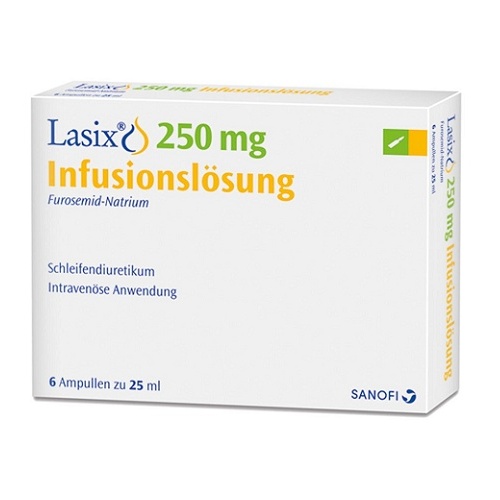
Lasix (Furosemide) in United Kingdom: A Comprehensive Patient Guide for Safe and Effective Use
Can Lasix be purchased without a prescription in United Kingdom?
No, Lasix (furosemide) cannot be legally purchased without a prescription in United Kingdom. It is a prescription-only medicine regulated by the Medicines and Healthcare products Regulatory Agency (MHRA).
Key Takeaways: What You Need to Know About Lasix in United Kingdom
- Lasix is primarily used to treat fluid retention (oedema) due to heart, liver, or kidney problems.
- It acts quickly (within 1 hour) to help your body get rid of excess fluid, usually via urine.
- A prescription from a UK-registered doctor is required to buy Lasix or order Lasix in United Kingdom.
- The most important safety consideration is the risk of dehydration and electrolyte imbalance with improper use.
- Lasix addresses symptoms, but does not cure the underlying cause of fluid retention.
- Consult your GP or a relevant specialist for assessment and ongoing monitoring during treatment.
How Does Lasix Work in the Body? Understanding Its Pharmacology
Lasix contains furosemide, which belongs to a class of medicines known as loop diuretics. Furosemide acts on the thick ascending limb of the loop of Henle in the kidney. It inhibits the Na+-K+-2Cl– cotransporter enzyme, which is responsible for reabsorbing sodium, potassium, and chloride from the urine back into the blood. By blocking this transporter, Lasix causes the kidneys to excrete more sodium and chloride, leading to an increase in urine production (diuresis). Water follows these electrolytes out of the body, resulting in the reduction of excess fluid and swelling.
Metaphor: Imagine your kidneys as a recycling plant for water and salt. Lasix turns down the recycling machine, forcing more water and salt to leave your body as urine, thereby helping reduce swelling.
Notably, the action of Lasix is independent of hormonal triggers and works as long as there is adequate blood flow to the kidneys and the loop of Henle is functional.
Contemporary studies, such as a 2024 meta-analysis in PubMed, confirm the efficacy of furosemide in rapid oedema reduction, especially in heart failure, with improvements seen in over 80% of cases [NHS].
Why Patients Often Overestimate the Speed and Impact of Lasix
As a consultant nephrologist, I frequently notice patients expect immediate and dramatic fluid loss after the first dose of Lasix. They may judge effectiveness by the volume of urine produced in a single day, sometimes leading to anxiety if dramatic changes are not observed straight away. In reality, the response varies depending on underlying conditions, kidney function, and dietary factors like sodium intake. Some patients are surprised that repeated weighing or monitoring of leg swelling provides a more reliable indication of progress than just watching for increased urination. I encourage patients to ask about realistic timelines, warning signs of over-diuresis (such as dizziness or cramping), and why close laboratory monitoring is so important—issues that are rarely raised without prompting.
How Should You Take Lasix? Dosing, Peak Effect, and Duration Explained
- Standard adult starting dose: Typically 20–40 mg once daily, adjusted per response and clinical need.
- Maximum daily dose: In hospital settings, may be increased to 80–120 mg per day (exceptionally higher in acute care under close supervision). For most, do not exceed 80 mg per day without medical advice.
- Elderly patients: Lower starting doses, cautious titration, and frequent electrolyte monitoring are recommended.
- Renal or hepatic impairment: Dose adjustments are critical; close monitoring is needed.
- Paediatric use: Dosage strictly by body weight; only under specialist guidance.
- Formulation: Lasix is available as oral tablets (20 mg, 40 mg, 500 mg), liquid, and occasionally as injectable solution for hospital use.
- Can the tablet be split? 40 mg tablets can be halved for dose adjustments, but always follow your doctor’s instructions.
- Onset and duration: Onset is typically within 1 hour (oral), peaks at 1–2 hours, and lasts 6–8 hours per dose.
Never alter your dose or stop Lasix without consulting a healthcare professional, as abrupt changes can be dangerous.
Does Food or Alcohol Affect Lasix? What You Should Know About Everyday Use
- Food: Taking Lasix with or after food may slightly delay its absorption, but does not significantly reduce its overall effect. Fatty meals can postpone its onset by up to 30–60 minutes.
- Alcohol: Mixing Lasix with alcohol is not recommended. Alcohol can exaggerate blood pressure-lowering effects, increasing the risk of fainting and dehydration. There is no safe threshold for alcohol while on Lasix.
- Grapefruit juice: There is no known significant interaction between Lasix and grapefruit juice; however, excessive fluid intake should be avoided unless prescribed.
- Salt intake: High salt intake may blunt the effect of Lasix. Discuss appropriate dietary adjustments with your healthcare team.
Who Should Never Take Lasix? Absolute and Relative Contraindications in United Kingdom
- Absolute contraindications:
- Severe hypokalaemia (dangerously low potassium levels)
- Severe hyponatraemia (dangerously low sodium)
- Pre-existing dehydration or hypovolaemia
- Anuria (no urine output despite fluid intake)
- Known allergy to sulphonamides or furosemide
- Hepatic coma or pre-coma (hepatic encephalopathy)
- Relative contraindications (caution required):
- Severe renal impairment (Lasix may be ineffective or require higher doses, only in hospital)
- Gout (Lasix increases uric acid levels)
- Diabetes (may worsen blood sugar control)
- Low blood pressure (risk of symptomatic hypotension)
- Use with other drugs affecting potassium, e.g., digoxin or certain anti-arrhythmics
- Pregnancy and breastfeeding (use only if clearly needed and prescribed)
After a heart attack, Lasix may be used under hospital supervision if fluid overload is present, but not immediately post-event unless indicated by your cardiologist.
What Side Effects Are Most Common with Lasix?
Lasix is generally well-tolerated when used as prescribed, but side effects can occur. The following classification is based on the World Health Organization (WHO) frequency categories:
- Very Common (>1 in 10):
-
- Frequent urination
- Dehydration
- Low potassium (hypokalaemia), low sodium (hyponatraemia), or low magnesium
- Common (1 in 100 to 1 in 10):
-
- Dizziness, especially on standing (orthostatic hypotension)
- Muscle cramps or weakness
- Increased blood sugar (hyperglycaemia)
- Elevated uric acid (may trigger gout)
- Altered kidney function (raised creatinine or urea)
- Rare (1 in 10,000 to 1 in 1,000):
-
- Severe allergic reactions (rash, Stevens-Johnson syndrome)
- Hearing disturbances, especially with high intravenous doses
- Pancreatitis
- Very Rare (<1 in 10,000):
-
- Blood disorders (agranulocytosis, thrombocytopenia)
- Severe liver impairment
If you develop severe dizziness, confusion, muscle weakness, chest pain, or a rash, seek urgent medical attention. For persistent or troubling side effects, contact your GP promptly for assessment and possible blood tests.
Real-World Mistakes Patients Make When Using Lasix—and How to Avoid Them
- Skipping doses to reduce urination at inconvenient times. This disrupts fluid balance and may worsen underlying conditions. Speak to your doctor about optimal timing instead.
- Taking Lasix late in the evening. Leads to disturbed sleep due to late-night urination. Always take Lasix early in the day unless otherwise instructed.
- Stopping Lasix abruptly after feeling better. Fluid retention often recurs, sometimes severely. Stopping should only occur after consulting your prescriber.
- Ignoring the need for regular blood tests. Electrolyte imbalances can develop silently. Attend all recommended monitoring appointments.
- Self-adjusting the dose during hot weather or illness. This can cause dangerous dehydration. Any changes should be guided by your healthcare professional.
- Not reporting symptoms of dehydration (dry mouth, confusion, cramps) promptly. Early reporting allows for timely dose adjustment or additional treatment.
How Does Lasix Compare to Other Diuretics for Oedema?
Several alternatives to Lasix (furosemide) exist in UK clinical practice, each with their own pros and cons. The table below summarises how Lasix stacks up against two main competitors:
| Criteria | Lasix (Furosemide) | Bumetanide | Bendroflumethiazide |
|---|---|---|---|
| Onset of Action | 30–60 min (oral) | 30–60 min (oral) | 1–2 hours |
| Duration of Action | 6–8 hours | 4–6 hours | 12–24 hours |
| Strengths Available | 20mg, 40mg, 500mg | 1mg, 5mg | 2.5mg |
| Common Side Effects | Low potassium, dehydration | Low potassium, dehydration | Low sodium, raised uric acid |
| Approximate Price (per 28 tablets, UK) | £2–£5 (generic) | £2–£4 (generic) | £2–£4 (generic) |
| Prescription Needed? | Yes | Yes | Yes |
| Availability in Pharmacy | High | High | High |
In short, Lasix is usually preferred for rapid and significant fluid removal, especially in heart failure or severe oedema, while alternatives may be selected for long-term, milder fluid retention.
Lasix (Furosemide) Product Specifications: At-a-Glance
| Parameter | Value |
|---|---|
| Active ingredient | Furosemide |
| Available strengths | 20 mg, 40 mg, 500 mg tablets; oral solution; IV/IM injection (hospital) |
| Dosage form | Tablet, liquid, injection |
| Onset of effect | 30–60 minutes (oral); 5 minutes (IV) |
| Peak effect | 1–2 hours |
| Duration | 6–8 hours |
| Half-life (T1/2) | 1–2 hours (may be longer in renal impairment) |
| Storage | Below 25°C, dry, original packaging |
| Prescription status (UK) | Prescription only |
Medication and Product Compatibility with Lasix
| Type of Product | Can it be combined? | Consequences |
|---|---|---|
| Paracetamol (acetaminophen) | Yes | No significant interaction |
| Aspirin (low-dose) | With caution | May increase risk of kidney side effects |
| Nitroglycerin | Strictly no self-combination | May cause severe low blood pressure |
| Potassium supplements | With monitoring | May be necessary to prevent low potassium |
| Alcohol | Not recommended | Increases risk of dehydration, low blood pressure |
| Grapefruit juice | Permitted | No significant interaction |
How Is Lasix Processed and Eliminated from the Body?
After oral administration, Lasix is rapidly absorbed, though this may be delayed by food. It is primarily processed through the kidneys and excreted in urine in unchanged form. Only a small proportion is metabolised by the liver. The half-life of Lasix is typically 1–2 hours but may be prolonged in people with kidney or liver impairment. For this reason, it’s especially important for patients with chronic kidney disease, liver cirrhosis, or heart failure to be closely monitored.
Are There Any Special Considerations for Certain Patient Groups?
- Elderly: Greater risk of dehydration, kidney dysfunction, and falls. Start at lower doses; monitor more frequently.
- People with diabetes: Lasix can raise blood sugar levels; more frequent glucose checks may be necessary.
- Heart failure or chronic kidney disease patients: Risk of electrolyte disturbance and impaired kidney function. Additional monitoring and dose adjustments may be required.
- Pregnancy and breastfeeding: Should only be used if clearly indicated and prescribed by a specialist.
- Driving and machinery: Lasix can cause dizziness. Avoid driving or operating machinery if you feel faint, especially when starting treatment.
- Fertility: No direct evidence shows Lasix impairs fertility when used as directed, but severe electrolyte disturbance theoretically could affect reproductive health.
Are Generic Versions of Lasix as Effective as the Original?
Once the original Lasix patent expired, several generics containing furosemide became available in United Kingdom. Both original and generic versions must meet strict MHRA requirements for bioequivalence—meaning they provide the same active ingredient in the same strength and deliver it to the bloodstream at the same rate. Generic tablets may contain different excipients (inactive ingredients), which on rare occasions might cause allergic reactions in sensitive individuals (e.g., lactose intolerance). The main advantage of generics is cost—patients can often purchase Lasix in generic form more affordably at a local pharmacy.
In short: Generics allow most people to buy Lasix cheap in United Kingdom without sacrificing efficacy or safety. Always check with your pharmacist if you have known allergies to inactive tablet components.
How Can I Safely Buy Lasix Online in United Kingdom?
With more people looking to order Lasix online, ensuring you use a legitimate pharmacy is essential for your safety. In United Kingdom, only registered online pharmacies displaying the MHRA “distance selling” logo are authorised to supply prescription medicines. You can verify pharmacy legitimacy via the MHRA’s official register.
- Warning signs of unsafe sellers: No requirement for a prescription, prices that seem “too cheap,” lack of contact details, or websites based overseas.
- Risks of unregulated sources: Counterfeit medicines, wrong dosages, contamination, or customs seizure.
- Consumer protection: Only use UK-registered pharmacies, and always check your medicine’s packaging for authenticity seals and information in English.
How to Identify Genuine Lasix and Avoid Counterfeits
Original Lasix comes in blister packs or pharmacy-labelled bottles with the brand name, manufacturer details, and batch number clearly printed. UK packaging typically features prominent batch codes, expiry dates, and sometimes a QR code or hologram (depending on manufacturer updates after 2026). Fonts are uniform, labels are crisp, and the tablet is white, round, and may have a break line for splitting. Generic furosemide tablets may appear slightly different, but all should include manufacturer and batch information.
- Red flags for counterfeits: Unusually low prices (Lasix cheap offers that are too good to be true), packaging in a foreign language, missing batch/expiry details, or inconsistent tablet shape/engraving.
- What are generics? Approved medications with the same active ingredient and therapeutic effect as the branded original, but typically at lower cost. Generics are inspected and regulated in United Kingdom.
- If in doubt: Consult your pharmacist or contact the manufacturer directly for confirmation.
- Crisp packaging with English-language labelling
- UK batch number, expiry date, manufacturer details
- MHRA “POM” (Prescription Only Medicine) marking
- White, round tablet (may be break-scored)
- Pharmacy label with patient’s name (if dispensed in pharmacy)
What Should I Do if I Take Too Much Lasix?
- Stop taking Lasix immediately.
- Contact NHS 111 or call 999 for emergency services if you feel unwell (e.g., fainting, confusion, irregular heartbeat).
- Inform the medical professional of the total dose taken and the time of ingestion.
- Do not attempt to self-treat overdose symptoms (e.g., by drinking excessive water or taking extra salt).
- Bring any remaining tablets and original packaging with you for identification.
How to Buy Lasix in United Kingdom: Patient Journey Explained Step-by-Step
- Step 1: Consult a GP or appropriate specialist. Book an appointment (in person or via NHS/approved telemedicine) to discuss symptoms and relevant history.
- Step 2: Assessment and diagnostics. Your doctor will conduct a physical examination, may order blood tests, urine tests, or imaging to confirm the cause of fluid retention.
- Step 3: Prescription issuance. If Lasix is appropriate, you will receive an electronic or paper prescription.
- Step 4: Pharmacy fulfilment. Take your prescription to any UK-registered pharmacy, or use an approved online pharmacy offering home delivery.
- Step 5: Ongoing monitoring. Attend follow-up appointments and laboratory checks as advised. Keep your GP informed of any side effects or concerns.
Acknowledging the Emotional Impact of Oedema and Diuretic Treatment
Oedema and its treatment can be physically and emotionally challenging—but you are not alone. Many people in United Kingdom experience similar symptoms, and effective, safe management is available. Don’t hesitate to discuss concerns with your healthcare team or a trusted friend; support makes a real difference.
Questions Patients Often Ask doctor About Lasix Therapy in United Kingdom
- How soon should I expect to feel better after starting Lasix?
- Most patients notice increased urination within a few hours, and improvements in swelling or breathlessness within the first few days. However, the speed of symptom relief depends on your underlying condition and kidney function.
- Do I need to make dietary changes while taking Lasix?
- Yes, you may need to limit salt intake to support Lasix’s effect. In some cases, you may be told to increase potassium intake. Always follow the advice of your doctor or dietician.
- Will I need regular blood tests while on Lasix?
- Yes, monitoring kidney function and electrolyte levels is essential, especially during the first weeks or after any dose changes. This helps prevent complications.
- Is it normal to feel dizzy or lightheaded while taking Lasix?
- Mild dizziness can occur, especially if you stand up too quickly. This is often due to reduced blood pressure or dehydration. Report persistent or severe dizziness to your GP.
- What should I do if I miss a dose?
- If you realise soon after the missed dose, take it when remembered unless it’s nearly time for the next dose. Do not double up. If in doubt, skip and resume your usual schedule. Never compensate by taking extra tablets.
- Will Lasix affect my other medications?
- Some medicines can interact with Lasix, particularly those affecting blood pressure, potassium, or kidney function. Always provide your doctor with an up-to-date medication list for review.
- Is long-term use of Lasix safe?
- Many people take Lasix for years under close medical supervision. However, ongoing monitoring is essential to manage potential long-term risks such as kidney dysfunction or electrolyte imbalance.
Frequently Asked Questions About Lasix in United Kingdom
- Can I buy Lasix without prescription in United Kingdom?
- No. Lasix is a prescription-only medicine. It is illegal and unsafe to obtain Lasix without a valid prescription from a UK-registered doctor.
- How much does Lasix cost in pharmacy in United Kingdom?
- The price for generic Lasix (furosemide) is typically £2–£5 for 28 tablets (40 mg strength) in UK pharmacies. Branded versions may be more expensive, but most patients will receive generics on the NHS or via private prescription.
- Can I order Lasix online safely?
- Yes, but only through MHRA-registered UK online pharmacies. You will still need a valid prescription. Avoid websites offering Lasix online without prescription or at suspiciously low prices.
- What are the main side effects of Lasix?
- The most common side effects are increased urination, dehydration, and low potassium or sodium levels. Less common risks include dizziness, muscle cramps, or changes in kidney function.
- How long does Lasix take to work?
- Lasix usually starts to work within 1 hour of oral dosing, with peak effect at 1–2 hours. The duration of action is typically 6–8 hours.
- Are there alternatives to Lasix for treating fluid retention?
- Yes. Other diuretics such as bumetanide or thiazide diuretics may be used depending on your condition. Your doctor will recommend the most suitable option.
- Is Lasix safe during pregnancy or breastfeeding?
- Lasix should only be used during pregnancy or breastfeeding if clearly needed and prescribed by a specialist. Safer alternatives are often preferred, depending on the situation.
- Does Lasix interact with blood pressure medication?
- Yes, Lasix can enhance the effect of other antihypertensives, increasing the risk of low blood pressure. Regular monitoring and possible dose adjustments are needed.
- What should I do if Lasix does not seem to work?
- Contact your GP for reassessment. Dose adjustments, a switch to alternative diuretics, or further investigations may be necessary.
- How can I purchase Lasix cheap in United Kingdom?
- Generic furosemide is widely available and affordable in the UK. Speak to your doctor or pharmacist about generic options, which are as effective as branded Lasix.
doctor’s Clinical Assessment: Who Benefits Most from Lasix and When Alternatives Are Needed
In my clinical experience, Lasix is most beneficial for patients with fluid overload secondary to heart failure, liver cirrhosis, or chronic kidney disease where rapid and substantial fluid removal is needed. It is also invaluable for those experiencing acute pulmonary oedema or severe lower limb swelling. However, not all cases of swelling require Lasix—patients with mild peripheral oedema or those with fluid retention unrelated to cardiac or renal causes may respond better to alternative therapies or lifestyle intervention. Caution is warranted in elderly patients, those with unstable kidney function, or in the context of hypotension or uncontrolled diabetes, where the risks of electrolyte imbalance or dehydration may outweigh benefits. I routinely reassess the ongoing need for Lasix at each visit, as fluid status and underlying disease can change rapidly. For individuals with complex health profiles, shared decision-making and regular monitoring remain the cornerstone of safe diuretic therapy.
References
- NHS. Furosemide. Accessed 2026. https://www.nhs.uk/medicines/furosemide/
- Medicines and Healthcare products Regulatory Agency (MHRA). Accessed 2026. https://www.gov.uk/government/organisations/medicines-and-healthcare-products-regulatory-agency
- European Medicines Agency (EMA). Furosemide (Lasix) Scientific Discussion. Accessed 2026. https://www.ema.europa.eu/en
- PubMed. Current research on furosemide in heart failure management. Accessed 2026. https://pubmed.ncbi.nlm.nih.gov/
- Mayo Clinic. Furosemide (Oral Route) Description and Brand Names. Accessed 2026. https://www.mayoclinic.org/drugs-supplements/furosemide-oral-route/description/drg-20062499
- British National Formulary (BNF) – Furosemide. Accessed 2026. https://bnf.nice.org.uk/drugs/furosemide/
- MHRA Registered Distance Pharmacies. Accessed 2026. https://medicine-seller-register.mhra.gov.uk/