

- Home/
- Buy Clomid at Low Price in United Kingdom Online
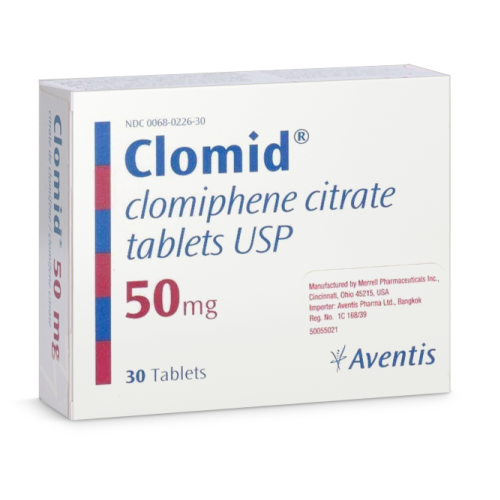
Can Clomid Be Obtained Without a Prescription in the United Kingdom?
Clomid (clomiphene citrate) is a prescription-only medicine in the United Kingdom and cannot be legally purchased or obtained without a valid prescription from a qualified healthcare professional.
Key Takeaways for Clomid Use in the United Kingdom
- Clomid is prescribed primarily for women with ovulatory infertility who wish to conceive and is only available with a valid doctor’s prescription in the UK.
- Most users can expect to see ovulation within the first cycle, but it may take up to six menstrual cycles for conception to occur.
- Self-medicating with Clomid is unsafe: unmonitored use can cause serious side effects including ovarian hyperstimulation and visual disturbances.
- Consultation with a fertility specialist or GP is required before starting treatment, and ongoing monitoring is essential.
- Clomid’s main benefit is inducing ovulation; it is not effective for all causes of infertility and may not address underlying reproductive issues.
- If you experience severe side effects such as abdominal pain, visual changes, or shortness of breath, seek immediate medical attention.
How Does Clomid Work? Understanding Its Mechanism and Effects
Clomid (active ingredient: clomiphene citrate) belongs to the class of selective oestrogen receptor modulators (SERMs). It acts primarily at the level of the hypothalamus—a key region in the brain that regulates hormone secretion. Under normal circumstances, oestrogen exerts negative feedback on the hypothalamus and pituitary gland, suppressing the release of gonadotropin-releasing hormone (GnRH), luteinising hormone (LH), and follicle-stimulating hormone (FSH).
Clomid binds to oestrogen receptors in the hypothalamus, blocking the normal negative feedback of circulating oestrogens. This “tricks” the body into thinking oestrogen levels are low. In response, the hypothalamus increases the secretion of GnRH, which stimulates the pituitary gland to release more LH and FSH. These hormones, in turn, stimulate the ovaries to mature and release eggs (ovulation).
After oral administration, Clomid is absorbed in the gastrointestinal tract, reaches peak plasma concentration in 6–12 hours, and is metabolised mainly by the liver. Its elimination half-life is variable (5–7 days), and it is excreted predominantly in the faeces.
Simplified metaphor: Think of Clomid as removing the “mute button” that oestrogen places on your reproductive control centre, allowing the body to turn up the signal that prompts ovulation.
Clomid’s effectiveness depends on intact hypothalamic-pituitary-ovarian function. It does not work in women with primary ovarian failure or certain types of hypothalamic dysfunction.
Myth vs Reality: Myth: Clomid guarantees pregnancy in all cases of infertility. Reality: It only induces ovulation and is not effective if infertility has other causes (e.g., tubal blockage, severe male factor infertility).
Expert Perspective: Why Clomid Success is Often Misunderstood by Patients
In my experience, many patients expect that taking Clomid will almost instantly result in pregnancy. However, ovulation does not guarantee conception, especially if other fertility factors are present. A common misconception is that “more Clomid is better,” but increasing the dose or duration without medical oversight increases risks without improving outcomes. I also find that patients rarely ask about the timing of intercourse in relation to ovulation, which is critical for success. Sometimes, disappointment arises after one or two unsuccessful cycles, but it’s important to remember that it may take several cycles, and not all causes of infertility will respond to Clomid therapy.
What Is the Recommended Clomid Dosage and How Long Does Its Effect Last?
The standard starting dose of Clomid for ovulation induction in women is 50 mg taken orally once daily for five consecutive days, typically beginning on the 2nd to 5th day of the menstrual cycle. If ovulation does not occur, the dose may be increased in subsequent cycles by 50 mg per day (maximum 150 mg per day for five days). The duration of treatment should not exceed six cycles in total due to potential long-term risks.
- Peak effect: Ovulation usually occurs 5–10 days after the last tablet is taken.
- Maximum daily dose: 150 mg per day (never exceed this without explicit medical supervision).
- Tablet splitting: Clomid tablets are not scored; splitting is not recommended as it can affect dosing accuracy.
- Adjustment in special groups: Dose adjustment is not routinely required for mild renal or hepatic impairment but treatment is generally contraindicated in significant liver disease or uncontrolled endocrine disorders.
Treatment is discontinued if ovulation does not occur after three cycles or if serious side effects develop.
| Parameter | Value |
|---|---|
| Active ingredient | Clomiphene citrate |
| Available strengths | 50 mg tablets |
| Usual course duration | 5 days per cycle, up to 6 cycles |
| Peak effect | Ovulation 5–10 days after last tablet |
| Metabolism | Mainly hepatic (liver) |
| Elimination | Biliary/faecal |
| Half-life (T1/2) | 5–7 days |
| Storage conditions | Keep below 25°C, in original packaging |
Does Food, Alcohol, or Other Substances Affect Clomid’s Effectiveness or Safety?
Clomid may be taken with or without food. There is no clinically significant interaction with most foods, and absorption is generally unaffected by meal composition. However, taking the tablet at the same time each day may help establish a routine and minimise missed doses.
- Alcohol: There are no direct interactions, but excessive alcohol consumption may exacerbate Clomid-induced liver strain and can negatively affect fertility. Moderate alcohol intake (no more than 1–2 units per day) is generally considered acceptable, but abstaining is recommended during fertility treatment.
- Grapefruit juice: No known interaction with Clomid, but it can interfere with metabolism of other medications.
- Caffeine: No specific restrictions, but moderation is advised.
Important: Always inform your doctor about all medications, supplements, and herbal remedies you are taking as some substances can potentially interact.
Compatibility of Clomid with Other Medications and Substances
| Product or Medication | Can it be combined? | Potential Consequences |
|---|---|---|
| Paracetamol | Yes | No significant interaction |
| Alcohol | With caution | Potential liver strain, fertility impact |
| Metformin | Yes | Often combined in PCOS treatment |
| Grapefruit juice | No specific data | No known interaction with Clomid |
| Warfarin | With caution | Monitor for bleeding risk |
| Oral contraceptives | No | Will counteract Clomid’s effect |
When Is Clomid Not Safe? Red Flags and Contraindications
- Absolute contraindications:
-
- Liver disease (active or history of significant impairment) – as Clomid is metabolised in the liver, accumulation can occur, increasing toxicity risk.
- Pregnancy – Clomid should never be used during pregnancy due to teratogenic effects.
- Ovarian cysts (not due to polycystic ovary syndrome) – risk of enlargement and rupture.
- Uncontrolled thyroid or adrenal dysfunction – may exacerbate underlying endocrine disturbances.
- Unexplained uterine bleeding – must be investigated before starting treatment.
- Hypersensitivity or allergy to clomiphene or excipients.
- Relative contraindications (use with caution):
-
- History of visual disturbances during previous Clomid therapy.
- PCOS (polycystic ovary syndrome) – increased risk of ovarian hyperstimulation.
- Obesity, as this may increase risk of adverse effects.
- Multiple pregnancy risk factors.
- Men: Clomid is rarely used for male infertility in the UK due to limited proven benefit and possible adverse effects; use must always be specialist-led.
For patients with a history of cardiovascular events—such as heart attack or stroke—there is no direct contraindication, but careful monitoring is essential due to increased risk of thromboembolism, especially when combined with other risk factors.
What Side Effects Are Most Common with Clomid?
Adverse effects are classified by frequency using the World Health Organization (WHO) standards:
- Very common (>1/10): Hot flushes, abdominal discomfort, bloating
- Common (>1/100 to <1/10): Nausea, breast tenderness, headache, mood swings, visual disturbances (blurred vision, spots or flashes)
- Uncommon (>1/1,000 to <1/100): Ovarian enlargement, ovarian cysts
- Rare (>1/10,000 to <1/1,000): Ovarian hyperstimulation syndrome (OHSS), thromboembolic events, severe visual impairment, allergic reactions
- Very rare (<1/10,000): Liver dysfunction, severe skin reactions
Hot flushes and abdominal discomfort arise from increased ovarian activity and hormonal changes. Visual disturbances—such as blurred vision, floaters, or photophobia—are thought to be related to CNS effects and can be a sign to discontinue therapy. Ovarian hyperstimulation syndrome, though rare, is a potentially serious complication with symptoms such as severe abdominal pain, rapid weight gain, or difficulty breathing.
- If you experience severe or persistent side effects, stop taking the medication and contact your healthcare provider immediately.
- Mild symptoms (e.g., hot flushes, mild nausea) often resolve once the course is completed.
What Are the Most Frequent Mistakes Patients Make When Using Clomid?
- Starting Clomid without medical supervision: This risks missing underlying causes of infertility or pre-existing contraindications, leading to serious harm.
- Taking higher or longer-than-prescribed doses: Some patients believe “more is better,” but this increases the risk of severe side effects without boosting efficacy.
- Not timing intercourse correctly relative to ovulation: Ovulation typically occurs 5–10 days after the last tablet, so poorly timed intercourse reduces chances of conception.
- Ignoring early warning signs of complications: Symptoms like severe abdominal pain, vision changes, or shortness of breath should prompt immediate medical attention, but are sometimes overlooked.
- Using Clomid in the presence of an untreated ovarian cyst or unexplained uterine bleeding: This can lead to worsening of the underlying condition and delayed diagnosis of serious pathologies.
- Discontinuing treatment prematurely: Some users stop after one unsuccessful cycle, whereas up to six cycles may be required for success, provided it is safe to continue.
How to avoid these problems: Always follow your doctor’s instructions regarding dose, timing, and number of cycles. Attend all scheduled monitoring appointments and promptly report any new symptoms.
How Does Clomid Compare to Other Fertility Treatments in the UK?
| Medication | Onset of Action | Duration of Effect | Common Side Effects | Approximate Price per Cycle (GBP) | Prescription Required? |
|---|---|---|---|---|---|
| Clomid (clomiphene citrate) | Ovulation in 5–10 days after last tablet | 1 menstrual cycle | Hot flushes, abdominal pain, visual changes | £12–£40 | Yes |
| Letrozole (aromatase inhibitor) | Similar (5–10 days) | 1 menstrual cycle | Fatigue, dizziness, joint pain | £15–£30 | Yes |
| Gonadotrophins (injectable LH/FSH) | Ovulation within days of starting injections | 1 menstrual cycle | OHSS, injection site pain | £600–£1,200 | Yes |
Summary: Clomid is often the first-line therapy due to its ease of use and low cost, but alternatives like letrozole or injectable gonadotrophins may be considered if Clomid is ineffective or not tolerated. Injectable therapies carry higher risks and costs.
Step-by-Step: How to Obtain Clomid through the NHS or Private Care in the UK
- Consult your GP or a fertility specialist. The first step is a comprehensive assessment to identify the cause of infertility and ensure Clomid is appropriate.
- Undergo investigations. Blood tests (FSH, LH, oestrogen, thyroid, prolactin) and pelvic ultrasound are typically performed to rule out contraindications and confirm suitability.
- Receive a prescription if indicated. If Clomid is suitable, your doctor will provide a prescription for a specific dosage and course duration.
- Collect Clomid from a registered pharmacy. Clomid prescriptions are dispensed in community or hospital pharmacies across the UK.
- Begin treatment as instructed. Adhere to the prescribed regimen and keep a diary of menstrual cycles and any side effects.
- Attend follow-up appointments. Ongoing monitoring may include repeat blood tests, ultrasounds, and review of ovulation status.
- Consider referral to a specialist fertility clinic if treatment is unsuccessful after three to six cycles, or if complications arise.
Doctor Answers to Common Clinical Questions about Clomid Therapy
- How will I know if Clomid is working for me?
- Most women can confirm ovulation through home ovulation predictor kits, basal body temperature charting, or blood tests arranged by your doctor. You should also notice a change in menstrual cycle length or symptoms of ovulation (such as mild pelvic pain).
- If I do not conceive after several cycles, what are my next options?
- If pregnancy has not occurred after up to six cycles of Clomid, further investigations are warranted. Alternatives may include switching to letrozole, trying injectable fertility drugs, or considering assisted reproductive technologies like IVF.
- Should my partner also undergo testing while I am on Clomid?
- Absolutely. Male fertility factors account for approximately 30–40% of infertility cases. It is essential your partner has a semen analysis and other relevant assessments to maximise your chances of success.
- Can I take other fertility supplements while on Clomid?
- Generally, taking prenatal vitamins and folic acid is encouraged. However, you should always inform your doctor about any supplements, as some herbs or drugs can interfere with ovulation or hormonal balance.
- What monitoring is necessary during Clomid therapy?
- Monitoring often includes ultrasound scans to assess ovarian response and blood tests to confirm ovulation. This ensures optimal dosing and helps avoid complications such as OHSS or multiple pregnancy.
- Is Clomid suitable if my cycles are irregular or absent?
- Clomid is especially indicated for women with irregular or absent ovulation (anovulation). However, it will not be effective if the underlying cause is not hormonal (e.g., structural abnormalities, premature ovarian failure).
Pharmacokinetics of Clomid: How Is It Processed in the Body?
After oral administration, clomiphene is rapidly absorbed, reaching its maximum concentration in blood plasma within 6–12 hours. It is extensively metabolised by the liver into active and inactive metabolites. The elimination half-life is approximately 5–7 days, contributing to potential accumulation with repeated dosing. Clomiphene and its metabolites are primarily excreted via biliary-faecal routes.
No dose adjustment is routinely required in mild renal impairment, but Clomid should be avoided in moderate to severe hepatic dysfunction due to risk of drug accumulation and toxicity.
Are There Specific Considerations for Unique Patient Groups or Activities?
- Women with PCOS: Higher sensitivity to Clomid and increased risk of ovarian hyperstimulation. Lower doses and close monitoring are needed.
- Obese patients: May require higher doses, but risk of side effects also increases.
- Men: Clomid is not routinely prescribed for male infertility in the UK and should only be considered under specialist supervision.
- Driving and operating machinery: Clomid may cause visual disturbances or dizziness. If affected, do not drive or operate heavy machinery.
- Family planning: Clomid may increase the risk of multiple pregnancy (twins or more). Discuss implications with your doctor.
Original Clomid vs Generics: What Should UK Patients Know?
The original brand of clomiphene citrate (Clomid) is now off-patent. Several generic equivalents are available in the UK, produced to the same standards and with similar clinical effectiveness. Generics contain the same active ingredient and are approved by the Medicines and Healthcare products Regulatory Agency (MHRA).
Excipients (inactive ingredients) may vary between brands and can cause allergic reactions in sensitive individuals. Always check the patient information leaflet and inform your pharmacist or doctor of any known allergies.
- Advantage of generics: Lower cost, wider availability, equivalent effectiveness.
- Disadvantage: Variability in inactive ingredients or tablet appearance, which rarely affects efficacy but may cause confusion.
How Can I Identify a Genuine Clomid Product in the UK?
- Packaging: Original Clomid or generics come in sealed blister packs with clearly printed batch numbers, expiry dates, and manufacturer details (in English).
- Tablet appearance: Usually round, white, and marked with the dosage strength (“50” for 50 mg).
- Security features: Many UK-licensed products now include QR codes or holographic stickers. If present, scan the QR code to verify authenticity via the manufacturer’s website or MHRA database.
- Patient leaflet: The packaging must include a MHRA-approved patient information leaflet.
- Suspiciously low price: Be wary if the product price is well below the standard market range (£10–£40 per cycle).
How to Stay Safe When Using Online Pharmacies in the United Kingdom
Only pharmacies registered with the General Pharmaceutical Council (GPhC) or its Northern Ireland equivalent are authorised to dispense prescription medicines online in the UK. Legitimate online pharmacies will require a valid prescription and use secure NHS-linked systems, such as the Electronic Prescription Service (EPS).
- Look for the GPhC green pharmacy logo and verify the pharmacy’s registration on the GPhC official register.
- Warning signs of unsafe sellers: No requirement for prescription, no registered address in the UK, offers of “cheap” or “no prescription” Clomid, or use of non-English packaging.
- Customs and counterfeit risks: Medicines purchased from sites outside the UK may be confiscated by customs and are at significant risk of being counterfeit or unsafe.
- Consumer protection: UK law protects consumers using registered pharmacies; unlicensed sites offer no such protection if problems occur.
How to Distinguish Counterfeit or Unsafe Clomid Products
- Non-standard packaging: Misspelt brand names, lack of English instructions, or missing MHRA logo are red flags.
- Poor tablet quality: Discoloured, crumbly, or inconsistently shaped tablets should not be used.
- Absence of batch or expiry information: All genuine medicines in the UK must display this data.
- Price much lower than standard UK pharmacy price: This often signals counterfeit or substandard medicines.
If in doubt, consult your pharmacist or verify using the MHRA’s Yellow Card Scheme (https://yellowcard.mhra.gov.uk).
Generics vs original: Generics are legitimate medicines with proven equivalence, approved by UK authorities. Counterfeits are unauthorised copies that may be ineffective or harmful. Always purchase from regulated sources for your safety.
If I Take Too Much Clomid: What Should I Do in the UK?
- Stop taking Clomid immediately.
- Contact NHS 111 or your local emergency department without delay.
- Provide information on the dose, timing, and any symptoms experienced.
- Bring the medication packaging with you for verification.
- Follow all instructions given by medical personnel; treatment may require monitoring of fluid balance, electrolytes, and supportive care.
Do not attempt to manage an overdose at home. There is no antidote for clomiphene overdose, and complications can be serious.
What to Do if Clomid Is Not Working or Tolerated
If there is no evidence of ovulation after three cycles of properly administered Clomid, your doctor may recommend:
- Switching to an alternative oral medication (letrozole).
- Progressing to injectable fertility medications (gonadotrophins).
- Exploring assisted reproductive technologies (IVF, IUI).
- Further investigations for other causes of infertility (tubal, uterine, or male factors).
If you experience intolerable side effects, always discuss with your doctor before stopping the medication.
Psychological Support: Acknowledging the Emotional Side of Fertility Treatment
Infertility is a common and often distressing experience for couples. It is important to remember that emotional reactions—such as frustration, sadness, or anxiety—are normal. Open communication with your partner, and seeking professional support or counselling if needed, can help you navigate the challenges of fertility treatments.
Clinical Assessment by doctor: Who Is Most Likely to Benefit from Clomid in the UK?
In my clinical practice, Clomid remains a first-line choice for women with ovulatory dysfunction—especially those with polycystic ovary syndrome (PCOS) or unexplained anovulation—provided there are no contraindications. It is most beneficial for women under age 35 with regular ovarian reserve and no major tubal or uterine abnormalities. Women with unexplained infertility after a normal basic workup (and partners with normal semen analysis) are also likely to benefit, especially if they have irregular cycles.
Clomid is usually less effective in older women, those with diminished ovarian reserve, or in cases where male factor or tubal infertility is prominent. In such cases, moving to alternatives such as letrozole, gonadotrophin injections, or assisted reproductive technologies may be preferable.
Key considerations include monitoring for ovarian hyperstimulation, addressing the risk of multiple pregnancy, and ensuring that treatment is not prolonged unnecessarily—most pregnancies that will occur on Clomid do so within the first three cycles. If there is no success after this period, I advise prompt reassessment and consideration of alternative therapies.
People Also Ask: Clomid Therapy in the United Kingdom
- Is Clomid effective for all types of infertility?
- No, Clomid is specifically effective for women with ovulatory disorders. It does not help with infertility caused by blocked fallopian tubes, severe male factor infertility, or uterine abnormalities.
- How much does Clomid typically cost in the UK?
- The price of Clomid (or generic clomiphene citrate) per treatment cycle usually ranges from £12 to £40, depending on the pharmacy and whether it is obtained via the NHS or privately.
- Can I buy Clomid online without a prescription in the UK?
- No, UK law requires a valid prescription for all clomiphene citrate products, whether purchased in person or online. Buying from unregulated sites is illegal and unsafe.
- What are the main alternatives to Clomid for ovulation induction?
- Letrozole (an aromatase inhibitor) and injectable gonadotrophins are the main alternatives. The choice depends on the underlying cause of infertility and response to initial treatments.
- How quickly can I expect to ovulate after taking Clomid?
- Ovulation typically occurs between 5 and 10 days after the last Clomid tablet is taken in a cycle.
- Can Clomid cause twins or multiple pregnancies?
- Yes, Clomid increases the risk of multiple pregnancies (twins or more) to around 5–10%, compared with the natural rate of 1–2%.
- What should I do if I miss a dose of Clomid?
- If you miss a dose, contact your doctor for advice. Do not double up on the next dose. Your doctor will advise whether to continue or adjust the cycle.
- How many cycles of Clomid should I try before considering other options?
- Most doctors recommend no more than six cycles. If ovulation or pregnancy has not occurred after this time, further evaluation and a change in treatment are usually advised.
References
- National Health Service (NHS). Infertility – Treatment. Accessed May 2026. https://www.nhs.uk/conditions/infertility/treatment/
- Medicines and Healthcare products Regulatory Agency (MHRA), UK. Clomiphene citrate Summary of Product Characteristics. Accessed May 2026. https://products.mhra.gov.uk/
- Human Fertilisation and Embryology Authority (HFEA), UK. Fertility drugs and medications. Accessed May 2026. https://www.hfea.gov.uk/treatments/explore-all-treatments/fertility-drugs/
- Cochrane Database of Systematic Reviews. Clomiphene citrate for ovulation induction in women with oligo- or anovulation. Accessed May 2026. https://www.cochranelibrary.com/
- European Medicines Agency (EMA). Clomiphene citrate product information. Accessed May 2026. https://www.ema.europa.eu/en
- PubMed. “Efficacy and safety of clomiphene citrate: systematic review and meta-analysis.” Accessed May 2026. https://pubmed.ncbi.nlm.nih.gov/